About us

we are always committed to product development and innovative design and providing integrated solution for customers

Who we are

We Are The Leading Industrial Factory In The World.

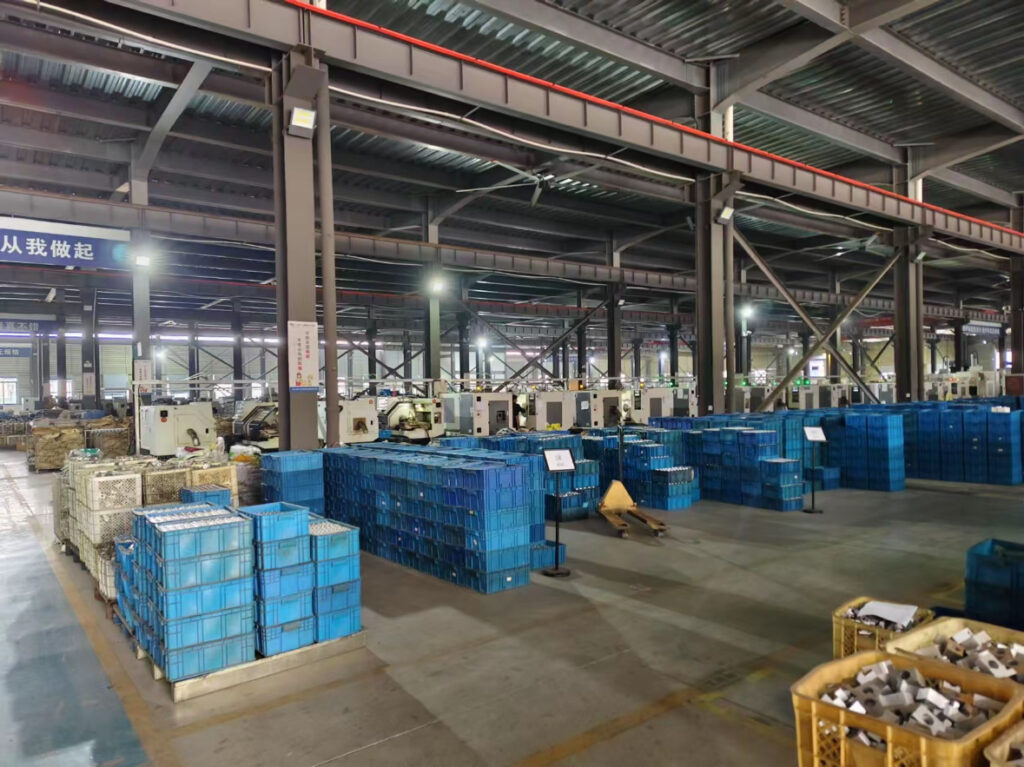
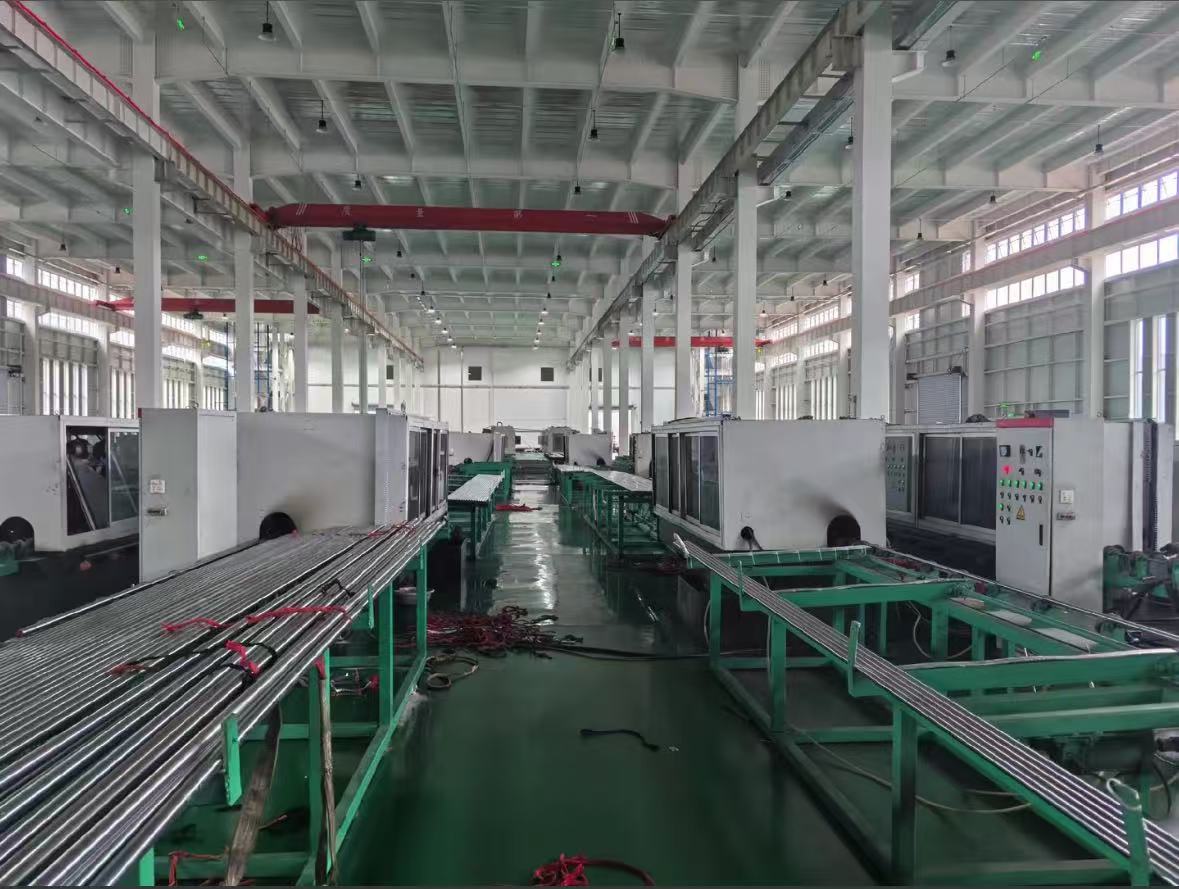
Hebei Baite Transmission Machinery Co., Ltd. (hereinafter referred to as BTCM) is a technology-driven enterprise integrating R&D, manufacturing, sales, and technical service. With advanced production capabilities and a strong engineering background, BTCM has focused on the innovation and development of precision linear motion components for more than fifteen years.
To meet the growing demands of global manufacturing, BTCM continues to expand its production capacity, upgrade processing equipment, and adopt internationally advanced precision technologies. With modern high-accuracy machining and strict quality control, BTCM is capable of mass-producing ultra-high-precision linear guides with sliding accuracy below 0.003 mm, ensuring stable performance for automation, CNC machinery, robotics, and intelligent manufacturing industries.

15+
Years of Experience
1. Raw Material Selection and Cutting
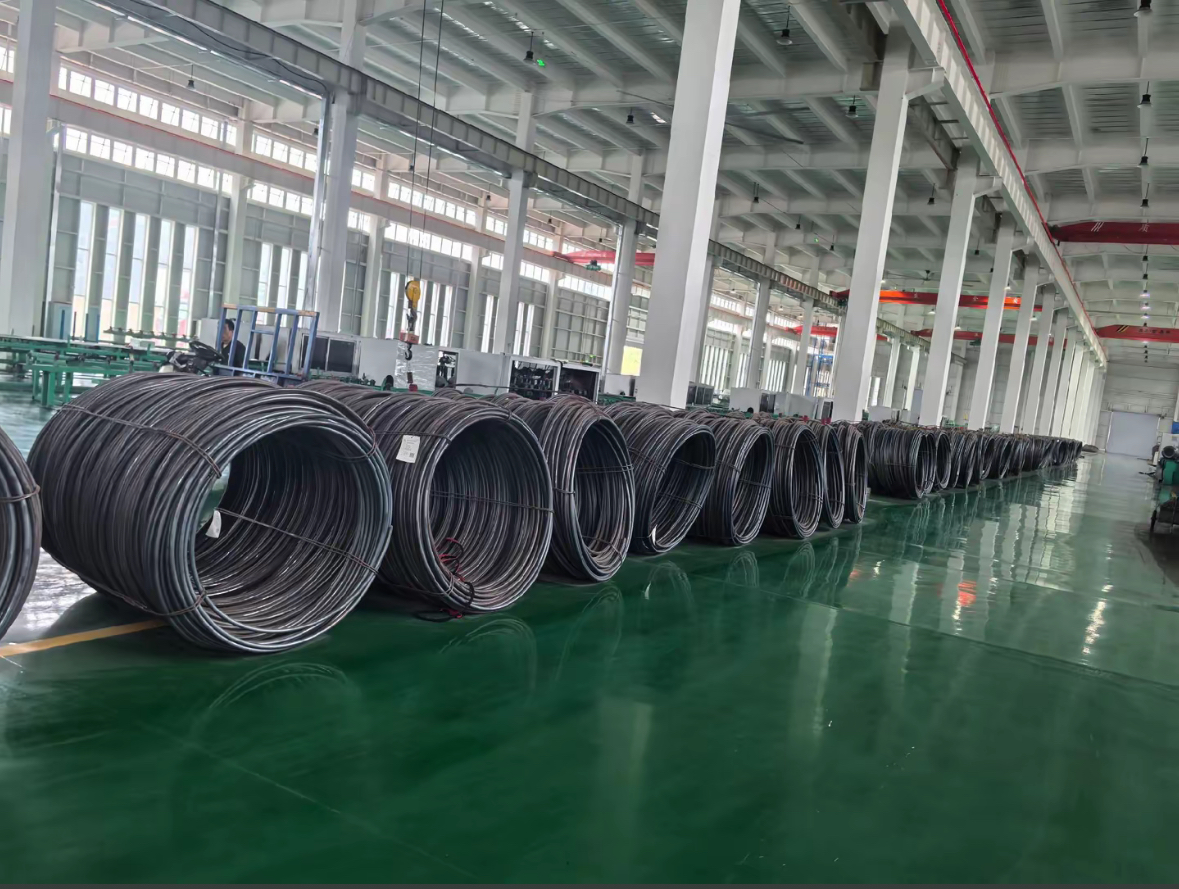
Production begins with the selection of high-quality steel materials such as GCr15, SUJ2, CK45, 45# steel, or alloy steel.
•For linear shafts, the focus is on hardness consistency and wear resistance.
•For linear guide rails, the emphasis is on rigidity, stability, and straightness.
The raw bars are inspected for chemical composition, surface condition, and internal defects. After inspection, the steel is cut to required lengths using automatic cutting machines to ensure accuracy and material integrity.
2. Rough Machining and Straightening
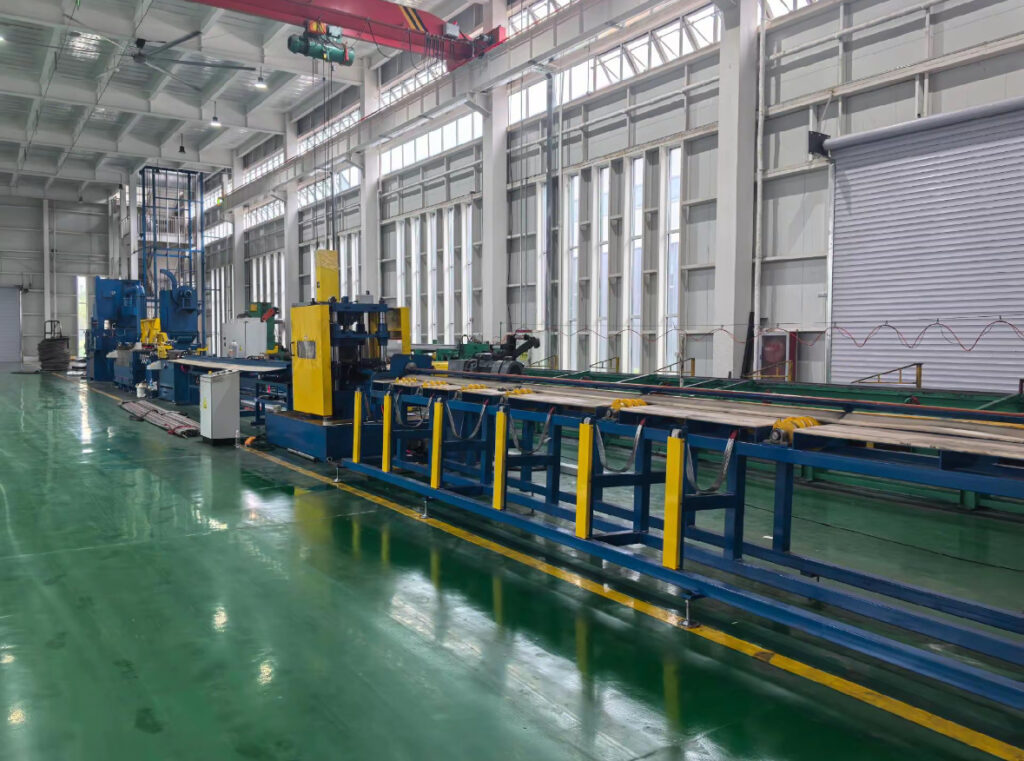
After cutting, the workpieces enter the rough machining process.
•Linear shafts undergo rough turning to shape the outer diameter.
•Guide rails are milled to create the initial rail profile.
Straightening machines are used repeatedly during this stage to ensure that both shafts and rails maintain stable straightness before precision machining. This step is crucial for minimizing deformation in later processes.
 
3. Heat Treatment
Heat treatment is one of the most important processes:
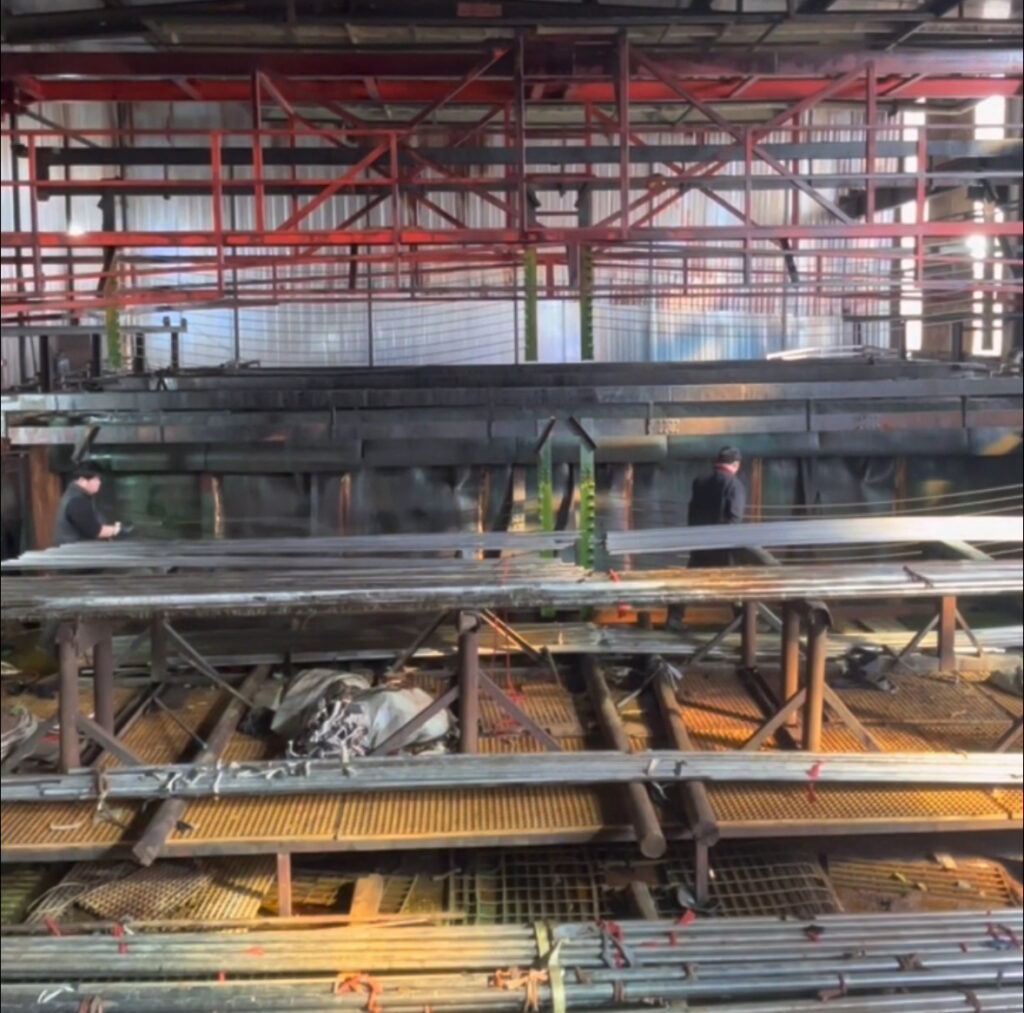
•Linear shafts are hardened and tempered to achieve high surface hardness and long-term durability.
•Guide rails receive quenching and tempering to enhance rigidity and load capacity.
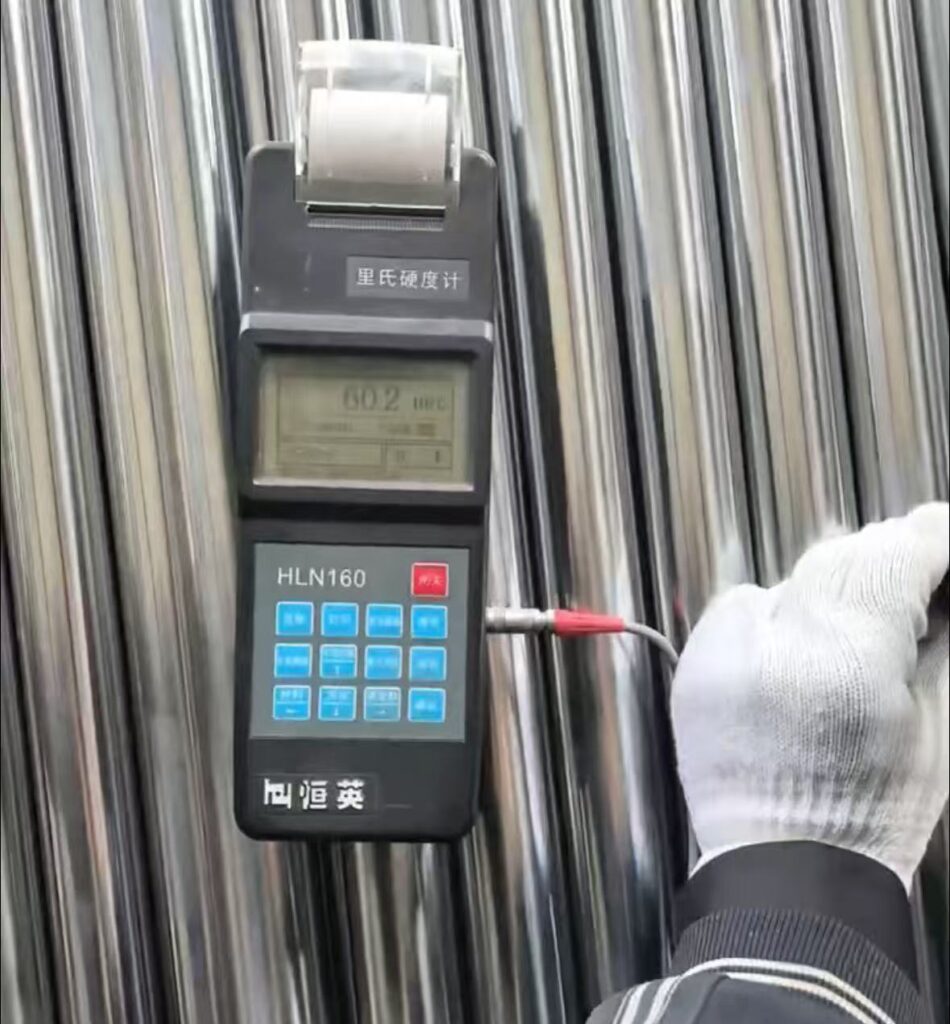
After heat treatment, each workpiece is inspected for hardness uniformity and deformation. Straightening is performed again if necessary.
4. Precision Machining
Once heat treatment is complete, the materials move to precision machining workshops.
•Linear shafts undergo precision grinding, polishing, and chrome-plating to achieve a smooth surface with low friction and high wear resistance.
•Linear guide rails go through CNC milling, grinding, and finishing processes to form accurate rail shapes and mounting surfaces.
Advanced machinery ensures tight tolerances, usually within microns, which is essential for smooth linear motion.
5. Surface Treatment
To enhance performance and anti-corrosion ability:
•Shafts may receive chrome plating, induction hardening, and mirror polishing.
•Guide rails are treated with anti-rust oil, black oxidation, or specialized coatings depending on customer requirements.
These processes improve the product’s lifespan and reliability in various industrial environments.
6. Assembly of Blocks and Accessories (for Linear Guides)
For linear guide systems, carriage blocks are assembled and matched with rails based on preload and accuracy grades.
Each block is tested for smooth motion, noise level, and load resistance.
Precision steel balls, cages, and seals are installed to guarantee stable operation under high-precision conditions.
7. Quality Inspection
Every batch of linear shafts and linear guide rails is inspected using:
•Coordinate measuring machines
•Hardness testers
•Roughness testers
•Straightness and parallelism gauges
•Life-cycle and load testing equipment
Strict inspection ensures that each product meets international standards such as ISO, JIS, or DIN.
8. Cleaning, Packaging, and Shipment
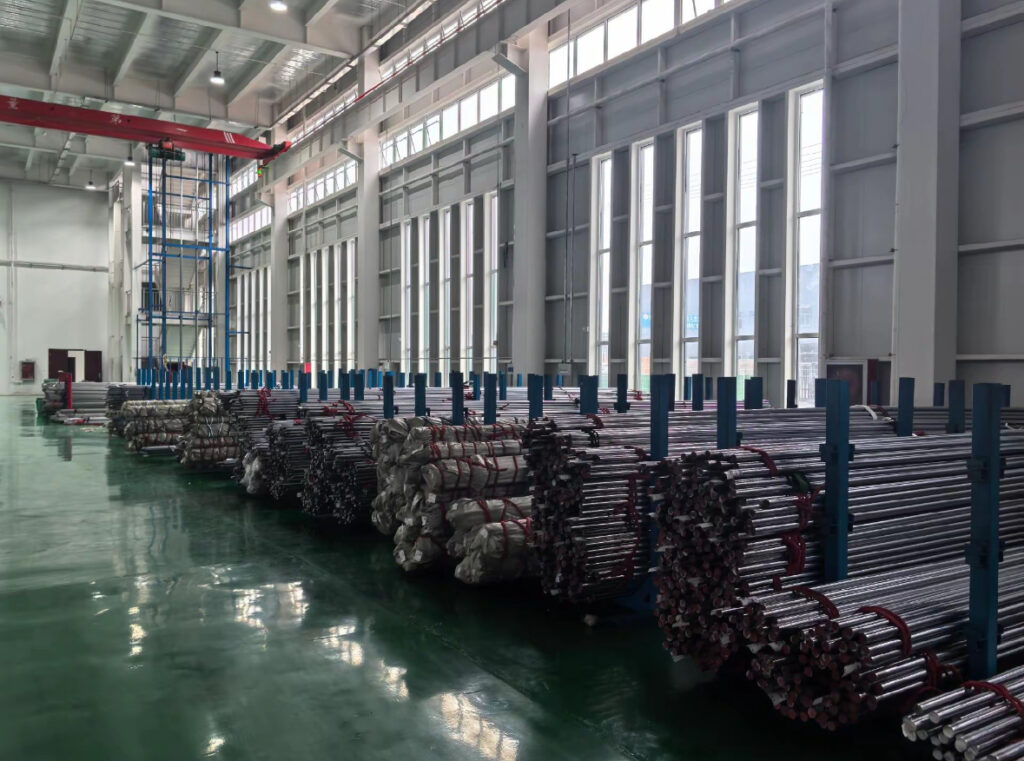
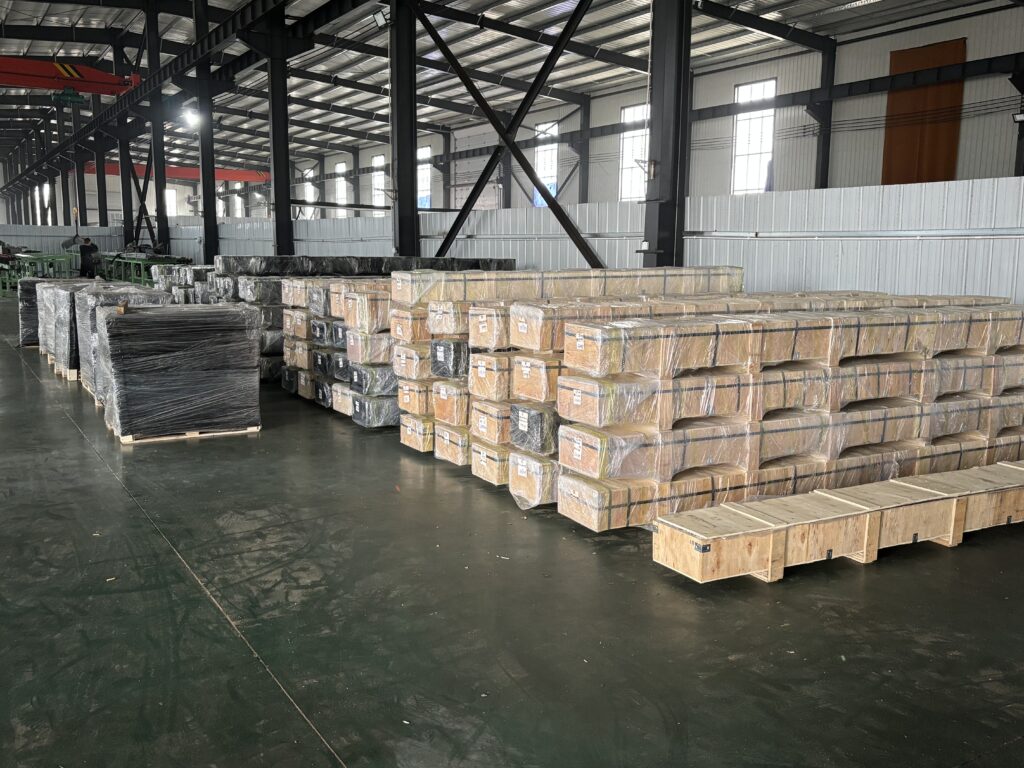
Before shipment, products are cleaned, coated with anti-rust oil, and packed using moisture-proof and shock-resistant materials.
Clear labeling and size identification help customers with fast inventory management and installation.